



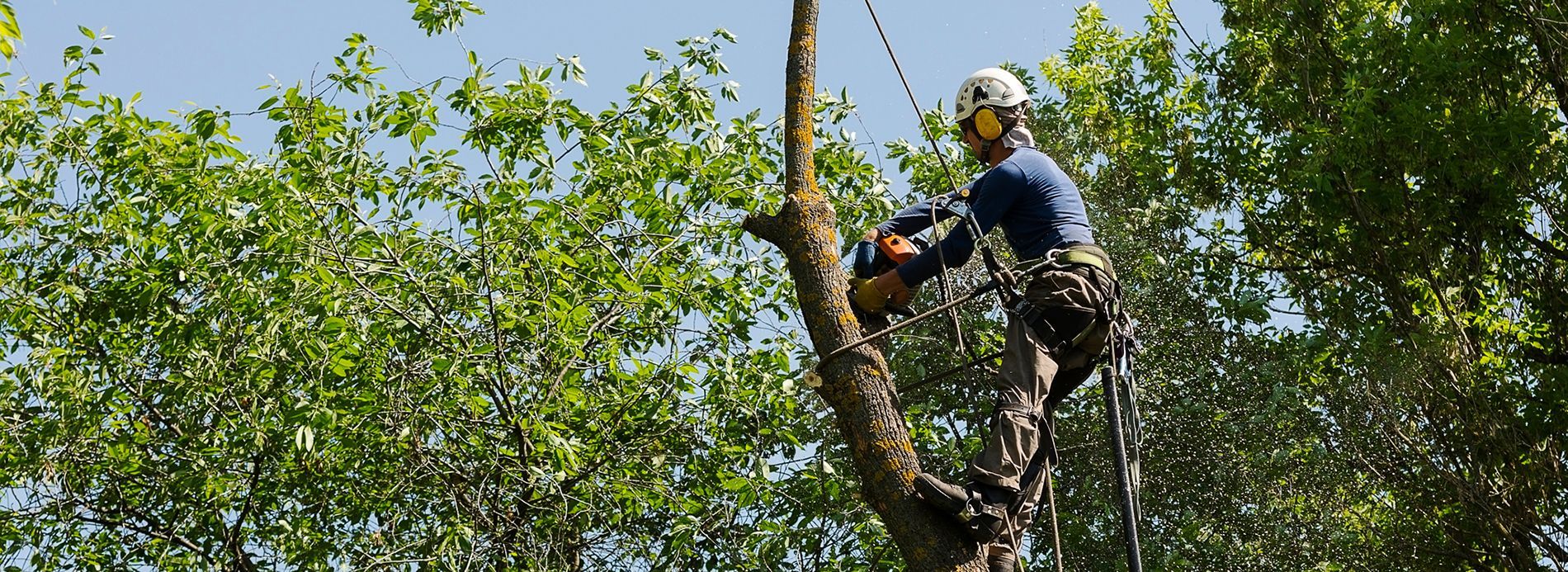
Removing a tree may seem like a manageable project if the tree is relatively small or appears to be in an open area. However, tree removal can involve significant hazards that are difficult to recognize or control without proper training and equipment. From falling branches to unstable trunks and hidden obstacles, many factors can make the process more complicated than it initially appears. Hiring a professional tree removal service provides several important advantages over attempting to handle the work yourself. At Cutts Tree Service, we provide expert tree removal in the greater Piedmont, AL area. Here are four reasons why tree removal should be left to the professionals. Prioritizes Safety Tree removal can be dangerous, particularly when working with large branches, heavy trunks, or trees located near buildings and other structures. Professionals understand how trees respond to cutting and can use established removal techniques to control falling sections. Their experience helps reduce the risks to people, property, and the surrounding landscape during the project. Uses Proper Equipment Professional tree removal requires more than basic yard tools. Depending on the situation, specialized equipment may be necessary to safely access branches, control sections of the tree, and remove heavy debris. Professional crews have access to the appropriate tools and know how to use them correctly, allowing them to handle difficult removal projects more efficiently and safely. Recognizes Hidden Hazards A tree can have structural problems that are not obvious from the ground. Internal decay, damaged roots, unstable branches, nearby utility lines, and surrounding structures can all affect how a tree should be removed. Experienced tree professionals know what warning signs to look for and can evaluate the site before beginning work, helping identify potential hazards that a homeowner may overlook. Saves Time and Reduces Stress Tree removal can quickly become a time-consuming and physically demanding project, especially when dealing with a large or complicated tree. Hiring professionals allows trained crews to handle the cutting, lowering, removal, and cleanup. Instead of spending hours or days trying to manage the project yourself, you can have experienced professionals complete the work while you avoid many of the risks and challenges involved. Professional Tree Removal in Piedmont, AL For expert tree removal in Piedmont, AL and the surrounding area, contact Cutts Tree Service at 256-251-3122 . Feel free to give us a call to ask for a tree services estimate in greater Piedmont, AL!
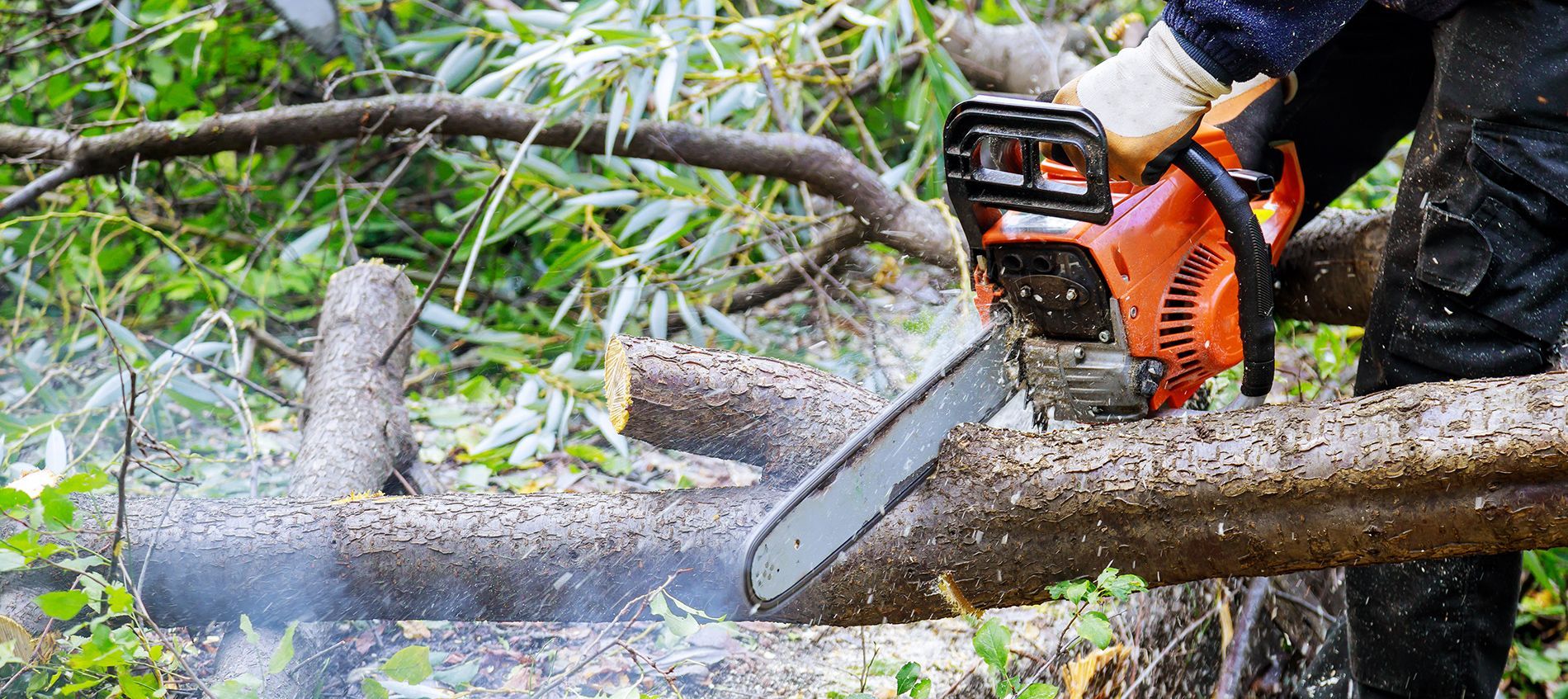
A dead tree may no longer be growing, but it can continue to create significant hazards on your property. As the wood deteriorates, branches and sections of the trunk can become increasingly weak and vulnerable to breaking, particularly during severe weather. Dead trees can also attract certain pests and detract from your property’s curb appeal. Understanding when and why removal may be necessary can help you make informed decisions. At Cutts Tree Service, we’re happy to answer your questions about dead tree removal in the greater Piedmont area. Why Should Dead Trees Be Removed? Dead trees gradually lose structural strength, increasing the possibility of falling branches or the entire tree collapsing. This can create serious hazards for people and property. Removing a dead tree can eliminate the associated structural hazard and give you greater control over the safety of your landscape. A professional tree care company can evaluate the tree and recommend the appropriate course of action. Can a Dead Tree Be Left Standing? In some unique circumstances, a dead tree may be intentionally retained as wildlife habitat, but this depends heavily on its location and condition. A dead tree near a home, driveway, walkway, or other frequently used area can pose a greater risk than one in an isolated portion of a property. Before deciding to leave a dead tree standing, consider having an arborist assess its stability and surrounding hazards. Why Is Professional Dead Tree Removal Recommended? Removing a dead tree can be particularly dangerous because weakened wood may break unexpectedly. Branches can fall unpredictably, and the tree may not respond to cutting techniques in the same way as a healthy tree. Professional tree removal specialists have the equipment, training, and experience needed to plan a controlled removal. This is especially important when the tree is large or located near structures or utility lines. How Can I Tell if a Tree Is Dead/Dying? A dead or nearly dead tree may display several noticeable warning signs, including a lack of leaves during a period when the tree should be actively growing, brittle or falling bark, extensive dead branches, and signs of decay. However, determining whether a tree is truly dead can sometimes be difficult, particularly when only part of the tree has declined. An arborist can evaluate the tree's overall condition and help determine whether removal is appropriate. Where Can I Find Dead Tree Removal in Piedmont, AL? For expert dead tree removal in Piedmont, AL and the surrounding area, contact Cutts Tree Service at 256-251-3122 . Feel free to give us a call to request a tree services estimate in greater Piedmont!

Healthy trees can often withstand strong winds, but trees that are weakened or have structural defects are much more likely to fail during severe weather. A falling tree can cause extensive damage to homes, vehicles, utility lines, and other structures while posing a serious risk to anyone nearby. Recognizing the warning signs of a vulnerable tree and scheduling a professional inspection can help prevent costly and dangerous incidents. At Cutts Tree Service, we provide hazardous tree identification and removal in the greater Piedmont, AL area. Here are three signs that a tree may be at heightened risk of falling in high winds. A Significant Lean Has Developed While some trees naturally grow with a slight lean, a tree that has recently begun leaning or has become noticeably more angled should be inspected promptly. A sudden lean may indicate root damage or soil movement. If the lean is accompanied by cracked soil, exposed roots, or lifting ground on one side of the tree, the likelihood of failure during strong winds increases considerably. Cracks or Cavities in the Trunk The trunk serves as the tree's primary support, and any structural damage can significantly reduce its strength. Deep vertical cracks, large cavities, missing bark, or visible decay may indicate internal deterioration that is not always fully apparent from the outside. High winds place tremendous stress on compromised trunks, increasing the risk of splitting or complete failure. A professional can evaluate the severity of the damage and recommend the appropriate course of action. Root Damage/Soil Problems A healthy root system anchors a tree securely in the ground. Construction projects, soil erosion, excavation, flooding, and disease can weaken the roots and reduce the tree's stability. Exposed roots, decaying roots, or mushrooms growing around the base of the tree may all signal underlying problems. Because root damage is often hidden beneath the soil, professional evaluation is important when these warning signs appear. Hazardous Tree Removal in Piedmont, AL When you need tree removal in Piedmont and the surrounding area, contact Cutts Tree Service at 256-251-3122 . We provide residential and commercial tree services in Piedmont. Feel free to give us a call to arrange a tree services estimate in greater Piedmont, AL !